Product
from page to API.
Next.js App Router, React Server Components, tRPC end-to-end. Streaming where it helps, static where it doesn't, edge where latency matters — without making it your problem.
Figma to Vercel in 8 weeks. Type-safe end-to-end, edge-rendered, lighthouse-pinned at 100/100/100/100 — built like real software, not like a marketing site in disguise.
Edge-rendered, type-safe end-to-end, and tuned for the metrics your users actually feel — first paint, interaction latency, and the third visit when caches are warm.
Next.js App Router, React Server Components, tRPC end-to-end. Streaming where it helps, static where it doesn't, edge where latency matters — without making it your problem.
MDX content, Sanity / Contentlayer for editors, OG image generation, Lighthouse 100 across the board. Built so marketing can ship without pinging engineering.
Tokens in JSON, themed with CSS variables, primitives on Radix, Storybook with visual regression. The kind of system that retires legacy CSS, not adds to it.
tRPC, Drizzle/Prisma, Postgres with pgvector for embeddings when you need them. Background jobs on Inngest or BullMQ. Auth that won't be in next year's CVE list.
Vercel previews on every PR, GitHub Actions for typecheck and tests, Sentry + Datadog wired before launch. The runbook arrives with the code.
A/B tests on LaunchDarkly, video on Mux, real-user metrics through Vercel Analytics, retention dashboards built in. Optional retainer — sprint-billed, never a yearly handcuff.
Web has its own rhythm — sub-100ms first paint targets, edge regions, CDN cache lifecycles. Our process is built around the platform, not pasted from a mobile template.
Next.js vs everything else — decided with you, with the trade-offs in writing. Data model sketch, edge / streaming choices, and a fixed quote within 24 hours.
Fixed quote · architecture sketchHi-fi Figma, then a real Next.js prototype on Vercel by day ten. Real type, real motion, real interactions — not static screens that lie about how it'll feel.
Live preview · on a real domainPR previews on every push, Lighthouse in CI, a written update + Loom every Friday. You can deploy our work yourself by week three.
Friday demos · 5 sprints, 5 demosProduction rollout, DNS cutover, monitoring wired in (Sentry + Datadog), runbook delivered, 30-day Slack channel for your team to ramp on.
Live in production · plus 30-day supportProduction web apps — each type-safe, edge-deployed, and on a real user's screen before we called it done.

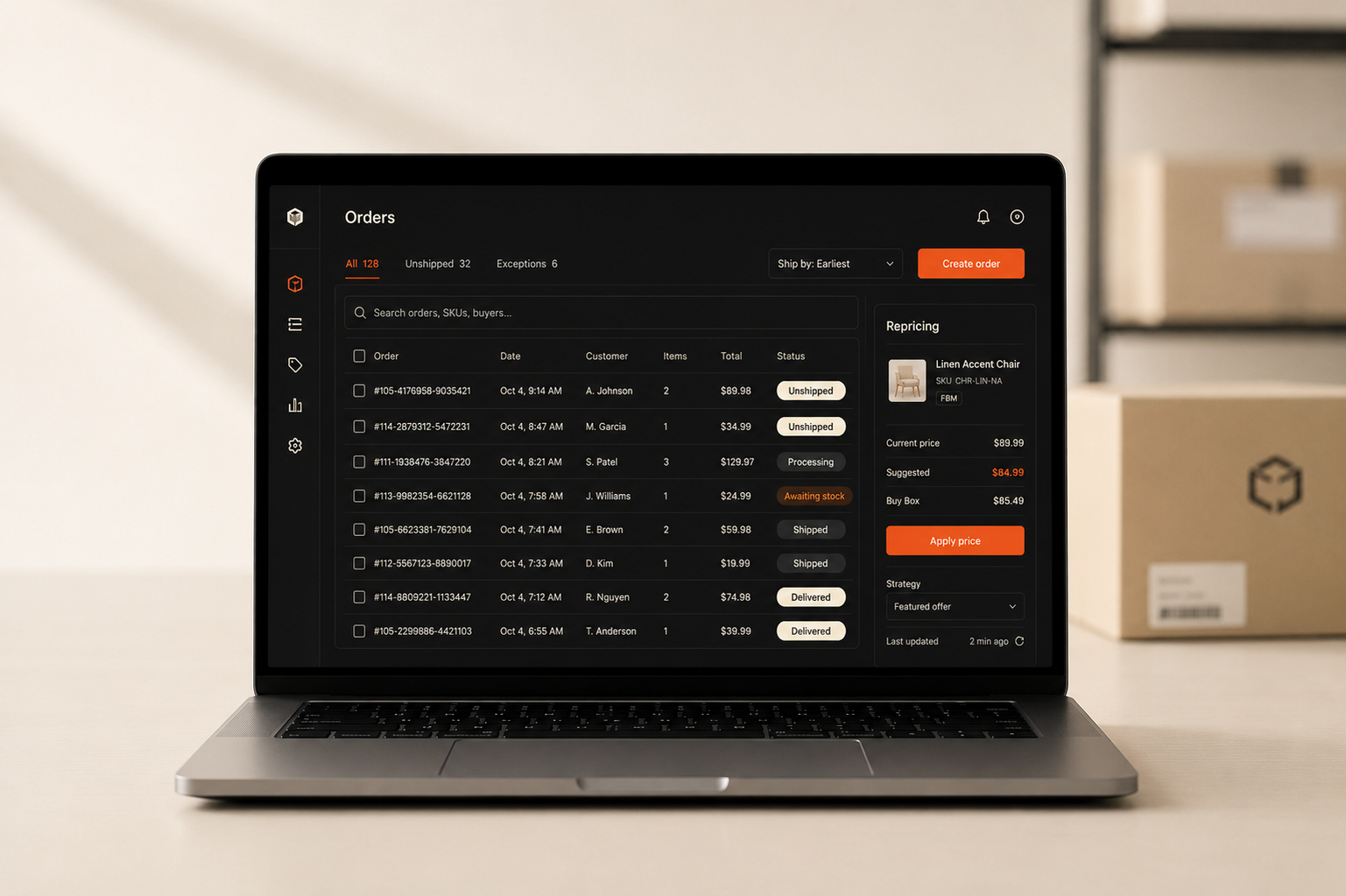
An ops console that replaces a dozen Amazon Seller Central tabs with one dashboard. Orders, inventory, repricing, and settlement pulled live from SP-API — BullMQ jobs on Redis driving Buy-Box repricing, 2.4M orders synced in year one.

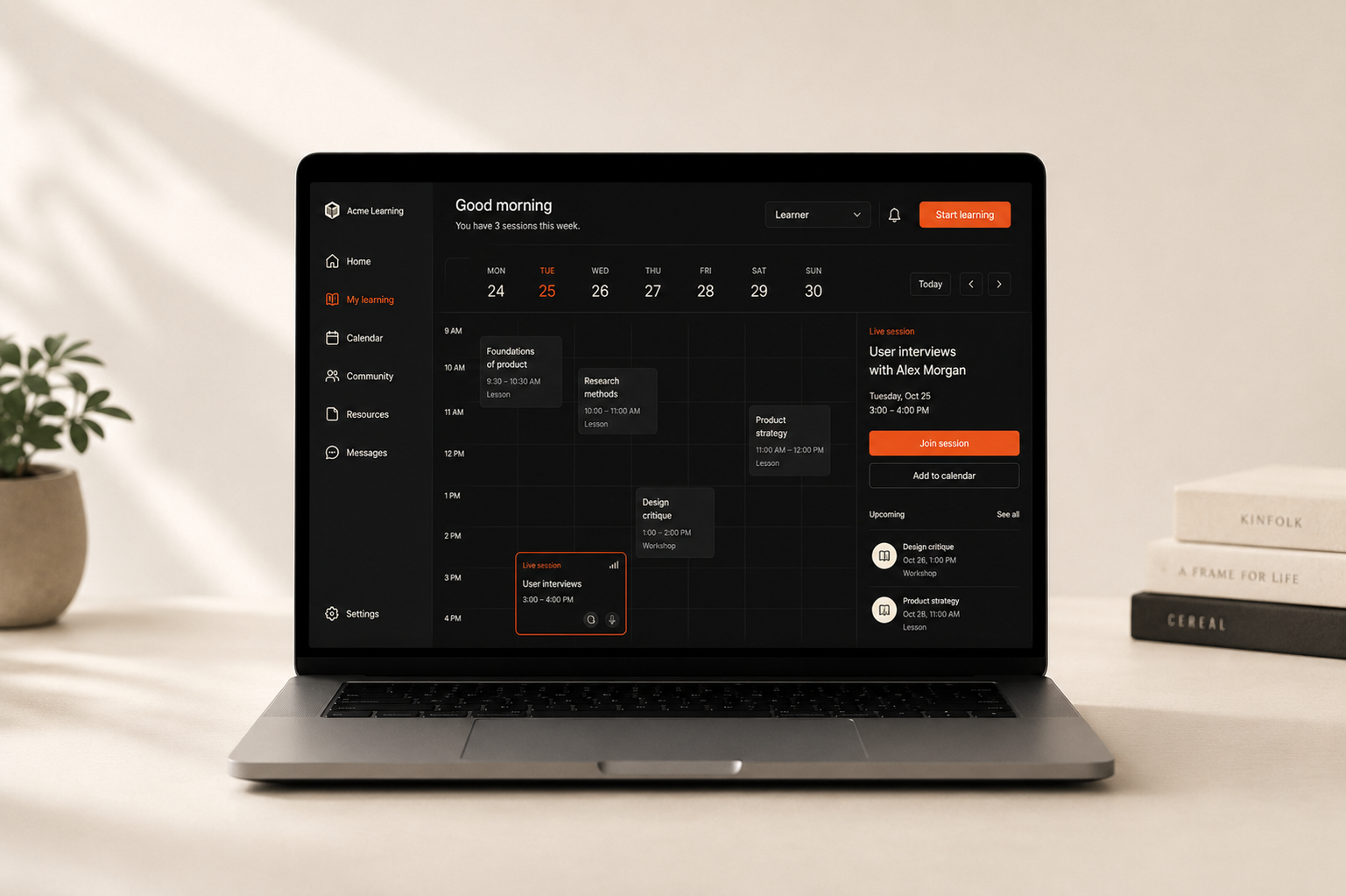
A role-based LMS serving admins, counselors, students, and parents from one codebase. 1-on-1s that auto-generate Google Meet links and sync to Calendar — 40% less manual scheduling, fully automated.

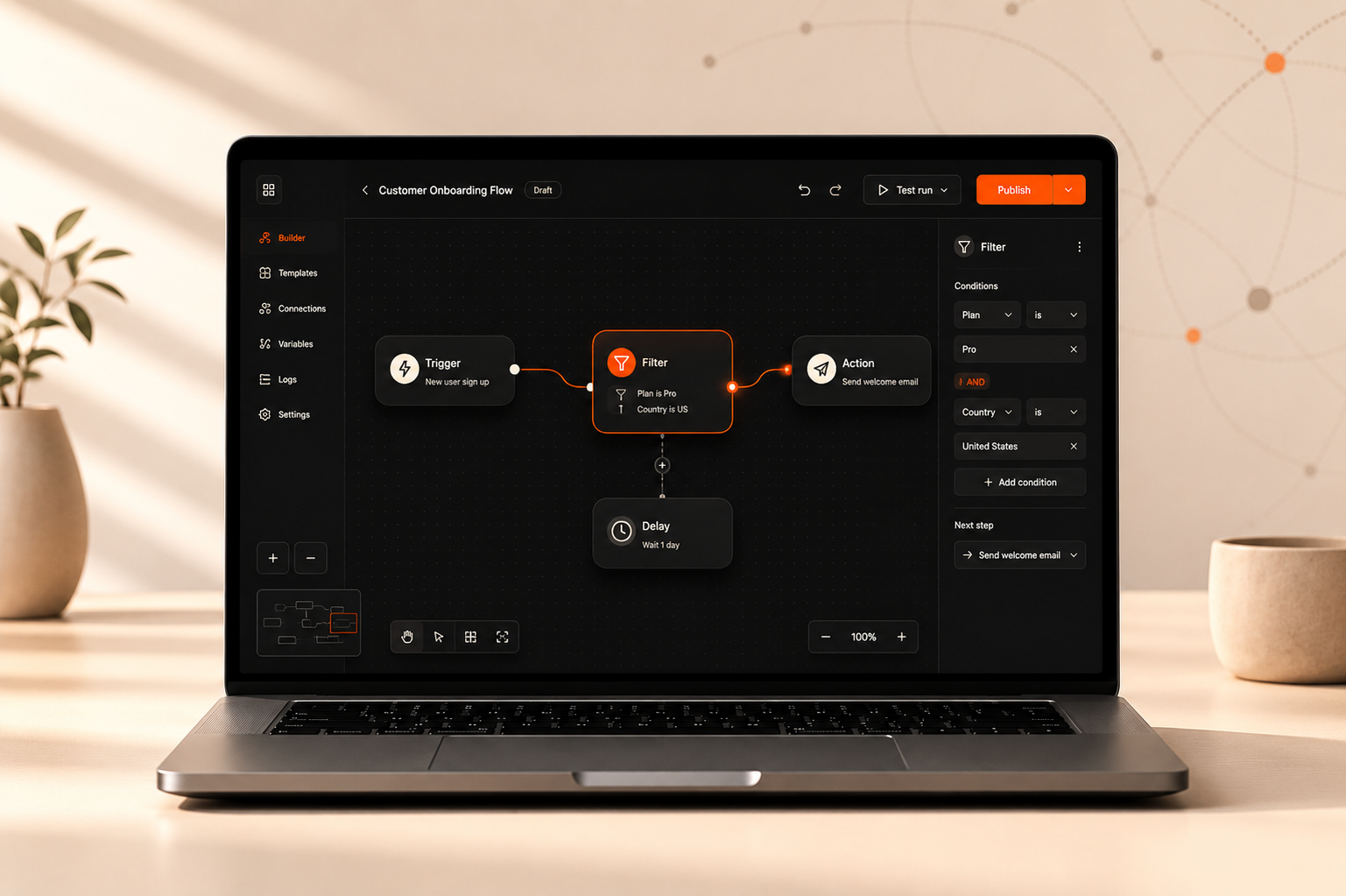
A no-code automation builder — trigger → filter → action, described in plain language and armed in a click. OAuth-linked integrations and a real-time run log where nothing fails silently, all under 5s end-to-end.
Fixed-price sprints, full builds, or ongoing programs. We'll tell you which fits in the scoping call — and if none fit, who else to talk to.
A fixed two-week burst. Best for high-craft prototypes, type-system migrations, or a focused feature push.
Idea to production. Full lifecycle — design, build, QA, deploy, monitor. Fixed price, fixed window.
Embedded team for ongoing growth, new surfaces, and platform expansion. Monthly engagements, roadmap on-call.
A reader, not an accordion. Pick a question on the left — the full answer opens on the right. Filter by topic, or step through with prev / next. Missing one? Ask in the brief and we'll answer in the reply.
Next.js (App Router) + tRPC + Postgres + Tailwind. Type-safe end-to-end, edge-rendered where it matters, deployable to Vercel in five minutes. About 80% of our builds run on this exact pairing.
We deviate for good reasons — Rust services for hot paths, Cloudflare Workers for global low-latency, a SQL-only stack when you have a Postgres team. The choice happens in week 0, in writing, with the trade-offs you signed off on.
Both. A senior product designer leads weeks 1–2 in Figma — wireframes, interactive prototype, design tokens that survive into the codebase.
If you already have a designer or working Figma, even better. We pair through the sprint and skip the design fee — engineering is the deliverable.
You do — from day one. Vercel, Postgres, S3, the domain registrar, the Stripe account — all in your company's name, on your billing. We're added as developers, never as owners.
Included by default. WCAG 2.1 AA target, axe-core running in CI, semantic HTML enforced via eslint-plugin-jsx-a11y, and a manual keyboard-and-screen-reader pass before launch.
Lighthouse accessibility score of 100 is the floor, not the ceiling. If your audience needs more — sign language video, simplified language modes, motor-impaired-friendly inputs — we scope it in.
Two options. Sprint retainer — buy 2-week increments as you need them, no monthly minimum, cancel any time. Or full handoff — source, CI pipeline, runbooks, a 30-day Slack channel for your team to ramp on.
Most clients start on retainer and move to handoff around v1.2, once their team is hired. We don't sell yearly contracts.
Yes — mutual NDA returned within the hour. No lawyer rounds. Tick the box in the brief form and we'll send our template back countersigned before your reply lands.
We've shipped SOC 2 type II environments and GDPR-compliant data flows — including the audit prep, the DPIAs, the DPAs, and the long tail of vendor questionnaires.
Compliance work lives in the Program tier, never the Build budget. The paperwork alone is real engineering. Tell us the framework, we'll quote it cleanly.
Tell us anyway. The three tiers cover ~80% of what we do; the other 20% is the interesting work — multi-product platforms, white-label SDKs, Postgres-only stacks, embedded edge services.
We scope it from the brief and send a fixed quote within 24 hours. The reply is either a custom proposal or a referral to a studio better-suited for what you're shipping.
Real numbers from the apps we've put in production — pulled from Sentry, Vercel Analytics, and Datadog. Updated quarterly, not for the brochure.
There's a wall of testimonials on the home page. This is the one that matters for web — a founder who migrated from a Rails monolith to a typed end-to-end stack and let us put real numbers in the quote.
We'd outgrown our Rails monolith. Two agencies looked at the migration and quoted eight months minimum. BytesGenX shipped the cutover in eleven weeks, with zero production incidents the night we flipped DNS.
The new stack is the kind of thing my engineers actually want to work on. That's the part nobody told me would matter most.
★★★★★"Three agencies failed at this migration. They shipped in twelve weeks. No drama, just commits."
★★★★★"Edge-rendered, type-safe, and somehow also pretty. The trifecta we'd given up on."
★★★★★"Their Lighthouse scores read like a love letter to performance. 100 across the board, in production."
Whether it's a Lighthouse-anchored sprint or a multi-quarter platform rebuild, we reply within 4 hours — usually with a fixed quote, a sprint plan, and a Preview-URL target date.